
- August 2026 (1)
- July 2026 (1)
- June 2026 (3)
- April 2026 (1)
- March 2026 (1)
- February 2026 (1)
- January 2026 (1)
- July 2025 (2)
- July 2024 (1)
- December 2023 (1)
- July 2023 (7)
- June 2023 (1)
Resistor Construction: Composition vs Wirewound
Jul 15, 2023When it comes to selecting the right type of resistor for an electronic application, the choices can feel overwhelming. Wirewound resistors and composition resistors are two common options, each with its own set of advantages and disadvantages. While both are designed to regulate the flow of electrical current, their construction and materials differ. Understanding the unique properties of each can help you make an informed decision about which type of resistor is best for your project.
This blog will explain the differences between wirewound resistors and composition resistors to help you determine which option is right for your needs.
Choosing the Right Resistor
When considering which resistor to use for a given electrical application, there are several factors to evaluate. The first is the resistance value, which should match the required resistance for the circuit to ensure proper operation. The power rating of the resistor is also critical, as it determines the maximum amount of power the resistor can safely dissipate. The tolerance of the resistor should be selected based on the precision required for the application, while the temperature coefficient of resistance should be considered if the circuit will be exposed to fluctuating conditions. In addition, the physical size and shape of the resistor should be evaluated to ensure it will fit and function properly within the circuit.
Wirewound Resistors
A resistor is any passive electrical device that limits or restricts current flow in a circuit. Wirewound resistors are typically used in high power and industrial applications such as circuit breakers and fuses because of their stability and resistance range. Wirewound resistors are produced in many wattage sizes. They are primarily used for their high precision and stability, ensuring proper performance within most circuits.
Wirewound Resistor Construction
Wirewound resistors, as their name suggests, differ from other resistive components in that they are made up of a conductive wire wrapped around a non-conductive core. The conductive wire can be made of a number of different alloys at varying thicknesses, typically nickel-chromium, manganese-copper, or constantan. The choice of alloy helps determine the resistance value. The core, on the other hand, is typically made of porcelain. While the materials are relatively standardized, the configuration can be modified any number of ways based on the resistor’s intended mount, application, and resistance range.
Composition Resistors
Like wirewound resistors, composition resistors are typically chosen for high energy applications. These resistors in particular are able to maintain high levels of energy absorption without any negative effects to the resistance value due to their mass. It makes them a robust choice for handling surge loads and other high energy events in power transformers and communications equipment. They are less precise than wirewound resistors and are generally harder to find in tighter tolerances.
Composition Resistor Construction
All composition resistors are made from a mixture of a finely ground insulator and conductor. The resistance range is determined by the ratio of this mixture. For the most common type of resistor within this category, the carbon resistor, the resistive element is composed of carbon or graphite dust and a non-conducting ceramic/clay powder. Lead may also be used as the insulative material. After being combined, the insulator/conductor mixture is compressed into a cylindrical shape, terminals are attached, and an insulation coating is applied to the outside.
Carbon is the material of choice for this class of resistor because it’s conductive, but not overly so. It can also maintain integrity under heavy electron load, making carbon composition resistors a reliable and durable choice for high voltage applications.
Resistors as a System Component
Which type of resistor is most appropriate for the application at hand depends not only on the construction of the resistor itself but also the surrounding components. From high voltage surface mount chips to high power load banks, modern industrial systems and controls require a multitude of different parts to operate reliably in tandem, under heavy load. Whether you’re stopping a train or a lightning strike, doing your due diligence on every component is a critical step in configuring mission critical systems.
Ohmite has been the leading provider of resistive products for high current, high voltage, and high energy applications for over 95 years. Our full complement of resistor construction includes wirewound, wire element, thick film, and ceramic composition. We also lead the way in thermal management for resistive and other technologies offering a vast array of heatsinks. Contact our team today to learn more.
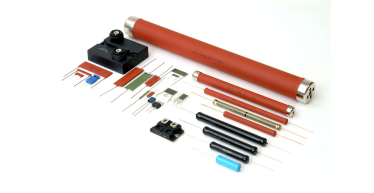
Guide to Power Resistors
Power resistors are used to dissipate energy by converting it to heat. and are designed to maintain stable performance. Call now and request a quote today!
Read More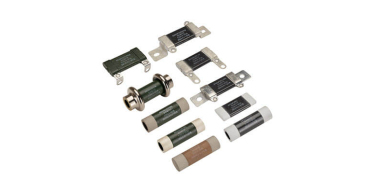
Guide to Ceramic Resistors
Ceramic Composition resistors are composed of a mixture of a finely ground insulator and conductor which is compressed into a cylindrical shape. Call now!
Read More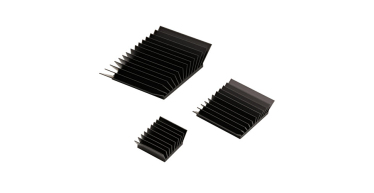
Guide to Heat Sinks
As semiconductor devices scale to smaller sizes and higher power densities, thermal management has become more challenging Call now and request a quote!
Read More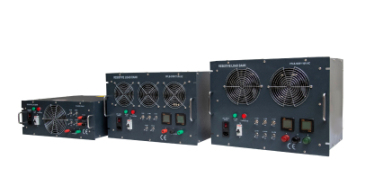
Guide to Load Banks
A load bank is a device that is intended to accurately mimic a load that a power source will see in an actual application. Call now and request a quote today!
Read More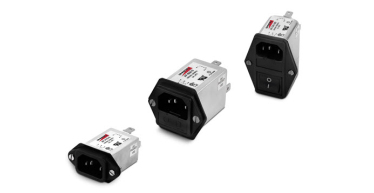
Guide to EMI Filters
To control the effects of EMI, standards are in place internationally, for commercial electronics, aerospace as well as military and space applications. Call now!
Read More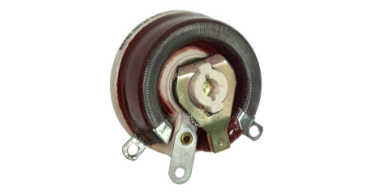
Guide to Rheostats
Rheostats, a fundamental component in electrical engineering, play a crucial role in controlling current flow and adjusting resistance in electrical circuits. Call now!
Read More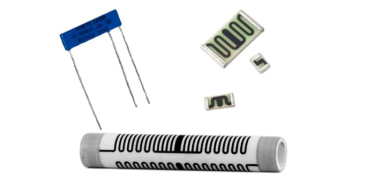
Guide to Thick Film Resistors
Thick film resistors, hailed for their versatility, durability, and wide-ranging applications, are a cornerstone of modern electronics. Call now and request a quote!
Read More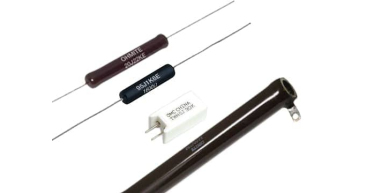
Guide to Wirewound Resistors
Thick film resistors, hailed for their versatility, durability, and wide-ranging applications, are a cornerstone of modern electronics. Call now and request a quote!
Read More
Ohms' Law Calculator
Read More
Ohm's Law 101
Ohm's Law stands as one of the fundamental principles in electrical engineering, providing a cornerstone for understanding and analyzing electrical circuits. Call now!
Read More
Energy Rating Calculator
Read More
Media Library
Read More
Technical Information
Read More
Industrial Resources
As a manufacturer of power resistors, Ohmite often creates products designed for industrial applications.
Read More
Medical Resources
As a manufacturer of power resistors, Ohmite often creates products designed for medical applications.
Read More
Transportation Resources
As a manufacturer of power resistors, Ohmite often creates products designed for transportation applications.
Read More
Military & Aerospace Resources
As a manufacturer of power resistors, Ohmite often creates products designed for military and aerospace applications.
Read More