
- August 2026 (1)
- July 2026 (1)
- June 2026 (3)
- April 2026 (1)
- March 2026 (1)
- February 2026 (1)
- January 2026 (1)
- July 2025 (2)
- July 2024 (1)
- December 2023 (1)
- July 2023 (7)
- June 2023 (1)
Improving Electronic Performance with Thermal Pads
Mar 24, 2026Thermal management is one of the most important design considerations in modern electronics. As devices become more powerful and compact, the heat generated by components such as power resistors, regulators, and semiconductors must be managed effectively to ensure reliable operation. Poor thermal control can lead to reduced efficiency, shortened component lifespan, and in severe cases, system failure.
One solution commonly used in electronic assemblies is a thermal pad. These materials are designed to improve heat transfer between components and heat sinks by filling microscopic air gaps that naturally occur between surfaces. When applied correctly, thermal pads can significantly improve heat dissipation, helping components operate within their optimal temperature ranges and maintain consistent performance over time.
We’re going to explore how thermal pads work, why they’re beneficial when used with power resistors and other heat-generating components, and how they contribute to efficiency, reliability, and long service life in electronic systems.
Why Thermal Management Matters
Heat is an unavoidable byproduct of electrical resistance. When current flows through a resistor or other power component, some electrical energy is converted into heat. If that heat isn’t properly removed, the component’s temperature can rise above its rated limits.
Elevated temperatures can lead to several problems, including reduced electrical efficiency, changes in resistance values or electrical performance, accelerated aging of components and materials, and increased risk of system failure.
For high-power resistors and other thermal loads, heat sinks are often used to dissipate this energy into the surrounding environment. However, the effectiveness of a heat sink depends heavily on how well it’s thermally connected to the component it’s cooling.
The Problem with Air Gaps
Even when two surfaces appear smooth, microscopic imperfections prevent them from making perfect contact. These small voids trap air between the component and the heat sink.
Air is a poor thermal conductor, meaning heat doesn’t transfer efficiently through it. As a result, the presence of air gaps can significantly increase thermal resistance between components and cooling systems.
Thermal interface materials, or TIMs, are designed to solve this problem by filling those gaps with a material that conducts heat far more effectively than air. Thermal pads are one type of TIM commonly used in electronics and power systems.
What Are Thermal Pads?
Thermal pads are soft, thermally conductive materials placed between heat-generating components and cooling surfaces. They conform to the microscopic irregularities of each surface, eliminating air pockets and creating a more efficient thermal pathway.
These pads are typically made from silicone or other flexible polymers filled with thermally conductive particles such as ceramic or graphite materials. This combination allows them to transfer heat effectively while maintaining mechanical flexibility.
When compressed between a component and a heat sink, thermal pads fill uneven surface gaps. Providing consistent mechanical contact, they maintain electrical insulation when required, effectively improving thermal conductivity.
This simple interface layer can dramatically improve heat transfer efficiency.
Improving Efficiency in Resistor Applications
Power resistors, in particular, benefit from improved thermal transfer. These components are specifically designed to dissipate electrical energy as heat, and their performance depends on the ability to move that heat away from the resistive element.
When thermal pads are used between a resistor and its mounting surface or heat sink, several benefits occur:
Lower Operating Temperature: Better heat transfer allows resistors to operate at lower temperatures under the same electrical load. Lower operating temperature helps maintain stable electrical characteristics and reduce thermal stress on the component.
Improved Power Handling: When heat is removed more efficiently, the resistor can safely dissipate more energy without exceeding its temperature limits. This can increase the component’s usable performance in demanding applications.
Stable Electrical Performance: Temperature affects resistance values. By maintaining a more stable operating temperature, thermal pads help resistors maintain consistent performance within their specific tolerances.
Supporting Longer Component Lifespans
Electronic components generally follow a predictable relationship between temperature and lifespan. As operating temperatures increase, the expected lifetime of the component decreases. This relationship is often described using the Arrhenius model, which shows that even modest reductions in temperature can significantly extend component life.
Thermal pads help reduce the thermal stress experienced by resistors and nearby electronics by improving heat transfer efficiency. Lower operating temperatures can slow material degradation, reduce solder fatigue, and protect surrounding components from excessive heat exposure.
For systems designed to operate continuously, such as industrial controls, power supplies, or automotive electronics, this improved thermal stability can translate into longer service intervals and reduced maintenance requirements.
Enhancing System Reliability
Reliability is closely tied to temperature control. Excess heat can affect not only individual components but the entire electronic assembly. Over time, repeated heating and cooling cycles may cause materials to expand and contract, potentially leading to mechanical stress or connection failures.
Thermal pads contribute to system reliability in several ways:
-
Consistent thermal contact between components and heat sinks
-
Reduced hot spots that can cause localized overheating
-
Improved thermal distribution across cooling surfaces
-
Stable mechanical interface during temperature cycling
By maintaining effective heat transfer throughout the product lifecycle, these materials help systems operate more predictably and reliably.
Ease of Installation and Integration
Another advantage of thermal pads is their ease of use compared with other TIMs.
Unlike thermal greases or liquid compounds, pads are typically supplied in pre-cut sheets or die-cut shapes that can be quickly applied during assembly. This simplifies manufacturing and reduces the risk of inconsistent application.
Pads exhibit consistent thickness and coverage. Their applications are clean and controlled with minimal mess or handling concerns and require no curing time. Because they’re compressible, thermal pads can also accommodate slight variations in component height or surface flatness, making them well suited for assemblies where perfect alignment is difficult to achieve.
Applications Across Electronics Systems
Thermal pads are widely used across industries where electronic systems generate significant heat. Some common applications can include power and braking resistors, automotive power electronics, motor drives and industrial controllers, LED lighting systems, and telecommunications equipment, among many others.
In each of these applications, maintaining proper thermal performance is critical to overall system efficiency and durability.
Design Considerations When Selecting Thermal Pads
Choosing the appropriate pad requires evaluating several factors:
Thermal Conductivity: Higher conductivity materials transfer heat more efficiently.
Pad Thickness: Thicker pads can accommodate larger gaps but may increase thermal resistance.
Compression Characteristics: The pad must compress enough to fill gaps without excessive mechanical stress.
Electrical Insulation: Many applications require materials that conduct heat but remain electrically insulating.
Engineers must balance these parameters based on the thermal load, mechanical design, and the system’s operating environment.
Ohmite: The Trusted Thermal Pad Provider
Ohmite’s thermal pads combine easy installation with consistent performance, delivering components that fulfill their essential role in modern electronic thermal management.
TGH-TAP Thermal Pad: Ohmite’s TGH and TAP series with flexible graphite materials are die-cut to ensure exact fit and reduce module-to-module variation during assembly. They feature an operating temperature of up to 400-degree C.
HS Thermal Pad: Ohmite’s HS series thermal pads feature a silicone and ceramic filled construction. They provide high conformability, low durometer, and excellent relative thermal index.
As electronic systems continue to grow more compact and powerful, Ohmite’s effective thermal interface solutions remain essential to maintaining performance and durability across a wide range of applications.
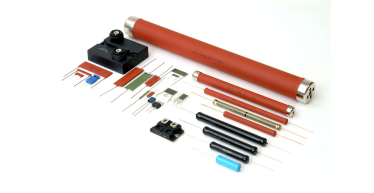
Guide to Power Resistors
Power resistors are used to dissipate energy by converting it to heat. and are designed to maintain stable performance. Call now and request a quote today!
Read More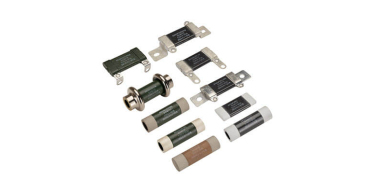
Guide to Ceramic Resistors
Ceramic Composition resistors are composed of a mixture of a finely ground insulator and conductor which is compressed into a cylindrical shape. Call now!
Read More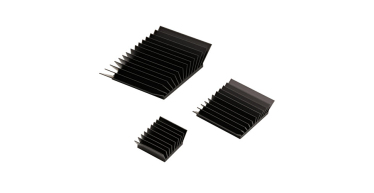
Guide to Heat Sinks
As semiconductor devices scale to smaller sizes and higher power densities, thermal management has become more challenging Call now and request a quote!
Read More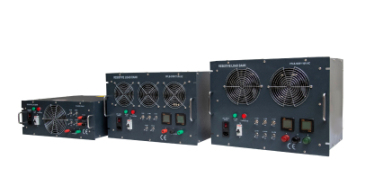
Guide to Load Banks
A load bank is a device that is intended to accurately mimic a load that a power source will see in an actual application. Call now and request a quote today!
Read More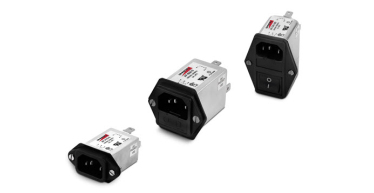
Guide to EMI Filters
To control the effects of EMI, standards are in place internationally, for commercial electronics, aerospace as well as military and space applications. Call now!
Read More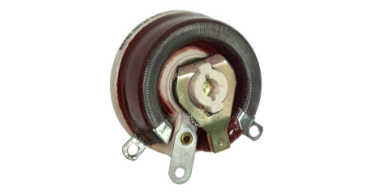
Guide to Rheostats
Rheostats, a fundamental component in electrical engineering, play a crucial role in controlling current flow and adjusting resistance in electrical circuits. Call now!
Read More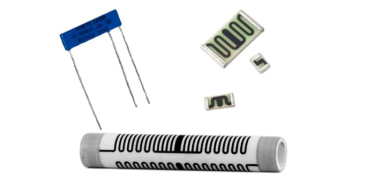
Guide to Thick Film Resistors
Thick film resistors, hailed for their versatility, durability, and wide-ranging applications, are a cornerstone of modern electronics. Call now and request a quote!
Read More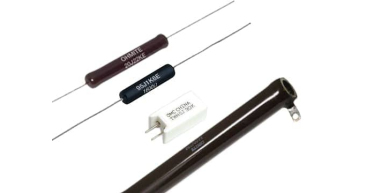
Guide to Wirewound Resistors
Thick film resistors, hailed for their versatility, durability, and wide-ranging applications, are a cornerstone of modern electronics. Call now and request a quote!
Read More
Inventory Search
The Ohmite product inventory is spread across our distribution channel around the world and can be located here. Finding Ohmite stock has never been easier. Call now!
Read More
Ohms' Law Calculator
Read More
Ohm's Law 101
Ohm's Law stands as one of the fundamental principles in electrical engineering, providing a cornerstone for understanding and analyzing electrical circuits. Call now!
Read More
Energy Rating Calculator
Read More
Media Library
Read More
Technical Information
Read More
Industrial Resources
As a manufacturer of power resistors, Ohmite often creates products designed for industrial applications.
Read More
Medical Resources
As a manufacturer of power resistors, Ohmite often creates products designed for medical applications.
Read More
Transportation Resources
As a manufacturer of power resistors, Ohmite often creates products designed for transportation applications.
Read More
Military & Aerospace Resources
As a manufacturer of power resistors, Ohmite often creates products designed for military and aerospace applications.
Read More